Acrylic Painting
Acrylic Painting for Beginners: Essential Techniques
What Are Acrylic Paints?
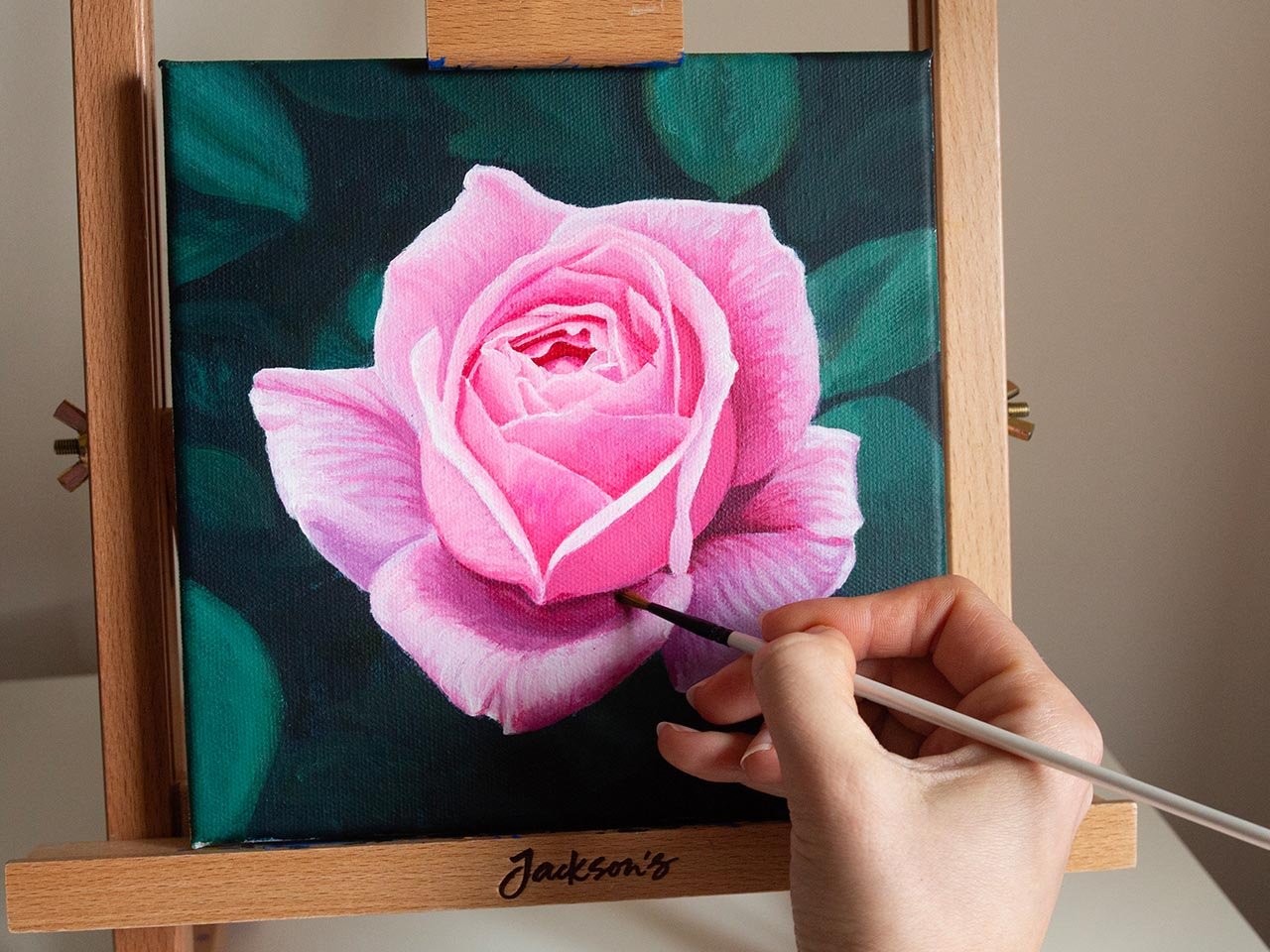
Acrylic paints are water-based paints made from pigment suspended in an acrylic polymer emulsion. In plain English: they thin with water while wet, dry quickly into a flexible, water-resistant layer, and can be used on almost any surface from canvas and paper to wood and panels.
Acrylics are remarkable because they can mimic both watercolour (when thinned heavily with water) and oil paint (when used straight from the tube). This versatility is what makes them so appealing for beginners. You can experiment with different styles and techniques without committing to a specific approach from day one.
The main advantages for beginners:
They dry within 10 to 30 minutes, so you can layer quickly. Mistakes are easy to fix because you can paint over them once dry. Clean-up only needs soap and water. They are non-toxic and odourless, which makes them perfect for painting at home or in a class environment.
10 Essential Techniques for Beginners
1. Colour mixing
Before you paint anything, spend an afternoon mixing colours on your palette. Mix every pair of your primary colours together to see what oranges, greens and purples you can create. Add white to lighten and a tiny bit of black (or its complement) to darken. This is the single most useful thing a beginner can do. I recommend mixing large quantities of paint at once on your stay-wet palette using a small palette knife.
2. Flat application
Load your brush with paint and apply it in smooth, even strokes to cover an area with solid colour. Practise covering a small square evenly. This is the foundation for backgrounds and underpainting.
3. Blending wet-into-wet
While two areas of paint are still wet, use a clean brush to blend the edges where they meet. Acrylics dry fast, so you need to work quickly. A Slow Drying Medium added to your paint extends the working time and makes blending much easier.
4. Layering and glazing
Because acrylics dry quickly, you can build up many layers. A thin, transparent layer over a dry layer underneath is called a glaze. Glazing lets you adjust colour and add depth without losing the work you have already done. A dedicated Glazing Medium gives the best results because it keeps the colour transparent and flowing.
5. Underpainting
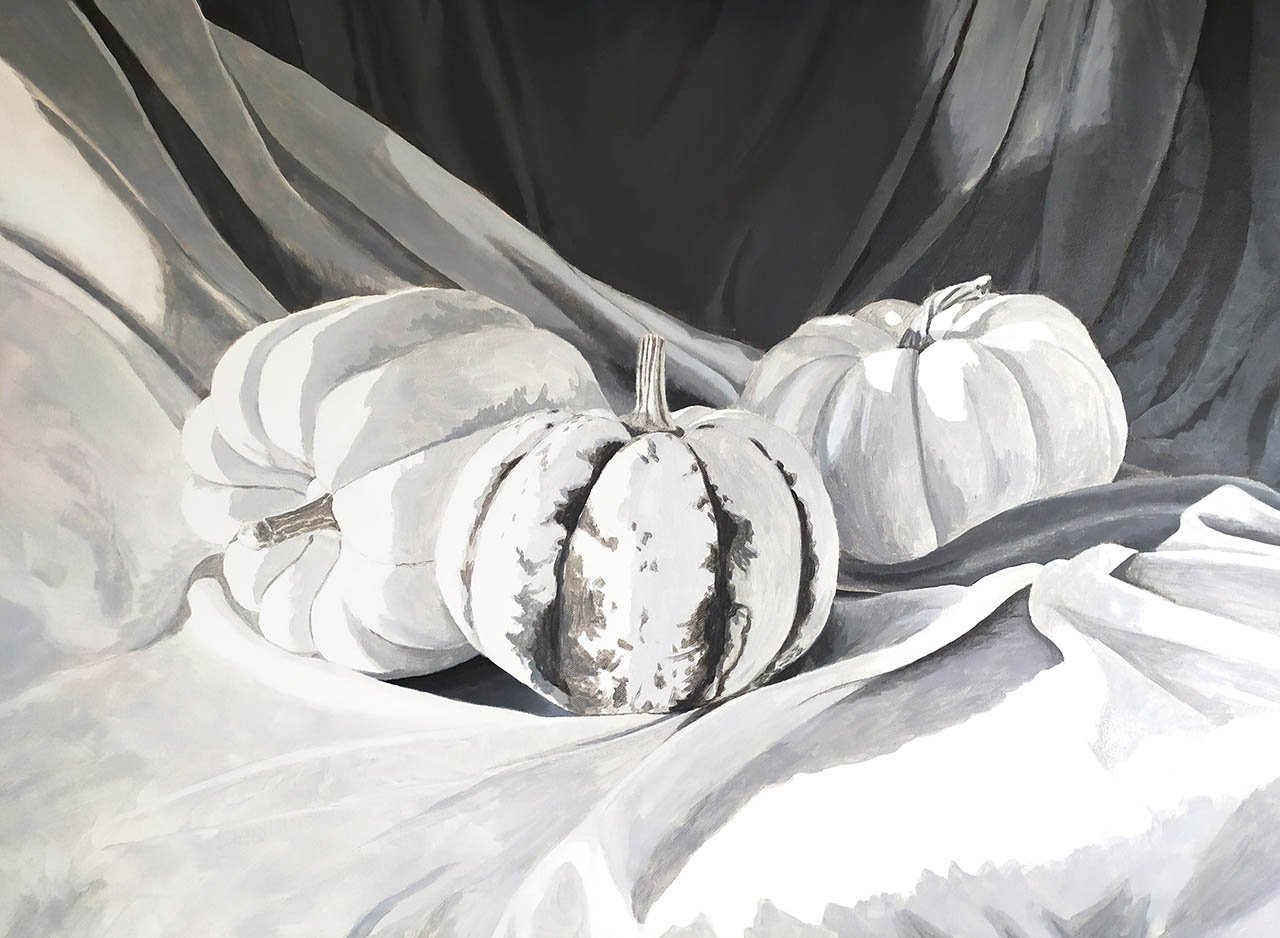
For paintings with very dark areas, it helps to start with an underpainting in burnt umber or mars black to map out the darks. The result looks almost like a grey-scale image of your subject and gives you a strong tonal foundation to paint over.
6. Dry brush
Load your brush with paint, then dab off most of the moisture on kitchen paper. Drag the brush lightly across a dry surface. The paint catches on the texture, creating a broken, textured effect that is perfect for grass, fur, weathered wood and natural textures.
7. Stippling
Hold your brush vertically and tap the bristles onto the canvas to create dots and texture. This works beautifully for foliage, gravel, sand and any area where you want texture rather than smooth coverage.
8. Scumbling
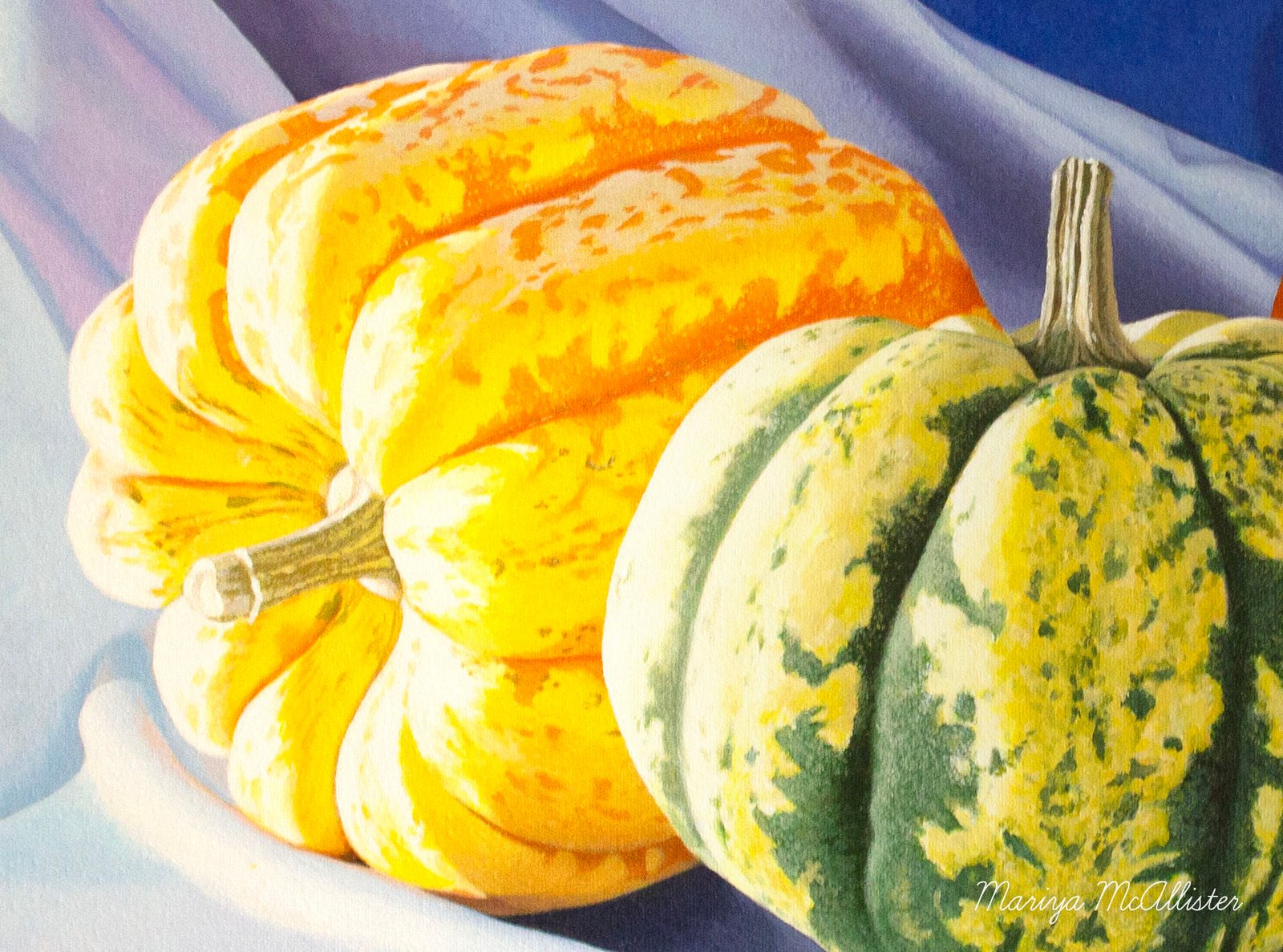
Apply a layer of opaque paint loosely over a dry layer, letting some of the underneath show through. This creates a broken, atmospheric effect ideal for skies, distant trees and worn surfaces.
9. Wet-on-dry detail work
Use a small round brush loaded with paint to add sharp, defined details on top of a dry base layer. This is how you add the final highlights, eyes, edges and crisp details that make a painting feel finished.
10. Palette knife work
A palette knife is not just for mixing. Used to apply paint, it creates thick, textured marks (impasto) that are wonderful for flower petals, rough sea, mountains and abstract work.
Common Beginner Mistakes (and How to Avoid Them)
There are a handful of mistakes I see in nearly every beginner’s first few paintings. Knowing about them ahead of time will save you a lot of frustration.
Using too much water. Acrylics thinned with too much water can become weak, patchy and underbond to the surface. As a rule, water should make up no more than 30 to 40 per cent of your paint mix. If you want a thinner consistency without losing pigment strength, use a glazing medium instead.
Letting paint dry on your brush. Acrylic dries very quickly and will ruin a brush permanently if you let it dry on the bristles. Rinse your brushes during the painting session whenever you stop using them. Never leave a loaded brush sitting in the air. Do not store brushes in a jar of water either, as water can damage them.
Mixing colours on the canvas instead of the palette. Mix on your palette first, then apply.
Not letting layers dry. If you paint over a layer that is still slightly damp, you may damage it. When in doubt, give it five extra minutes.
Trying to fix every mistake immediately. Step back. Let the layer dry. Look again. Many things that look wrong while you are painting look fine when you return to them with fresh eyes.
Comparing your work to professional artists on social media. Those artists have thousands of hours of practice behind them. Your goal is to improve from your last painting, not to match someone else’s.
How to Keep Improving
The best way to improve as an acrylic painter is to paint regularly, even if only for half an hour a week. Drawing skills is a good base for painting, so I recommend extra drawing time. It is good idea to keep a sketchbook for colour mixing experiments and small studies. You would learn faster by painting the same subject in different settings several times. It is beneficial to paint or draw from life as often as possible.
Joining a class is one of the fastest ways to improve because you get hands-on guidance and you paint regularly in a structured environment. I run acrylic painting workshops in Colchester and Clacton-on-Sea for all skill levels, including absolute beginners. All materials are provided, and the focus is on building confidence rather than producing a masterpiece. You can view upcoming class dates and book here.
Frequently Asked Questions
Yes, acrylics are one of the most beginner-friendly mediums. They dry quickly, clean up with soap and water, are non-toxic and very forgiving. Mistakes are easy to paint over once the previous layer is dry, which removes a lot of the pressure that beginners feel with mediums like oils or watercolours.
You can produce a recognisable, satisfying painting in a single afternoon. Building real confidence and developing your own style takes ongoing practice over months. Most of my students tell me they feel noticeably more confident after just three or four workshops.
Acrylics are opaque and dry to a permanent, water-resistant layer, so you can paint light over dark and layer freely. Watercolours are transparent and the white of the paper provides the lightest tones, which means they work in the opposite way: light to dark, with no painting over mistakes. Most beginners find acrylics more forgiving to start with.
Yes. My acrylic painting workshops in Colchester and Clacton-on-Sea are designed for all skill levels, including complete beginners. I guide you through each technique step by step, and all materials are provided. You can check available dates and book here.
Related Posts
10 Easy Watercolour Techniques Every Beginner Should Try
Discover 10 simple watercolour techniques every beginner should try. From flat…

Acrylic: Materials guide for beginners
A list of basic art materials for beginners in acrylic painting.